
Parts work therapy
Internal Family Systems (IFS) therapy
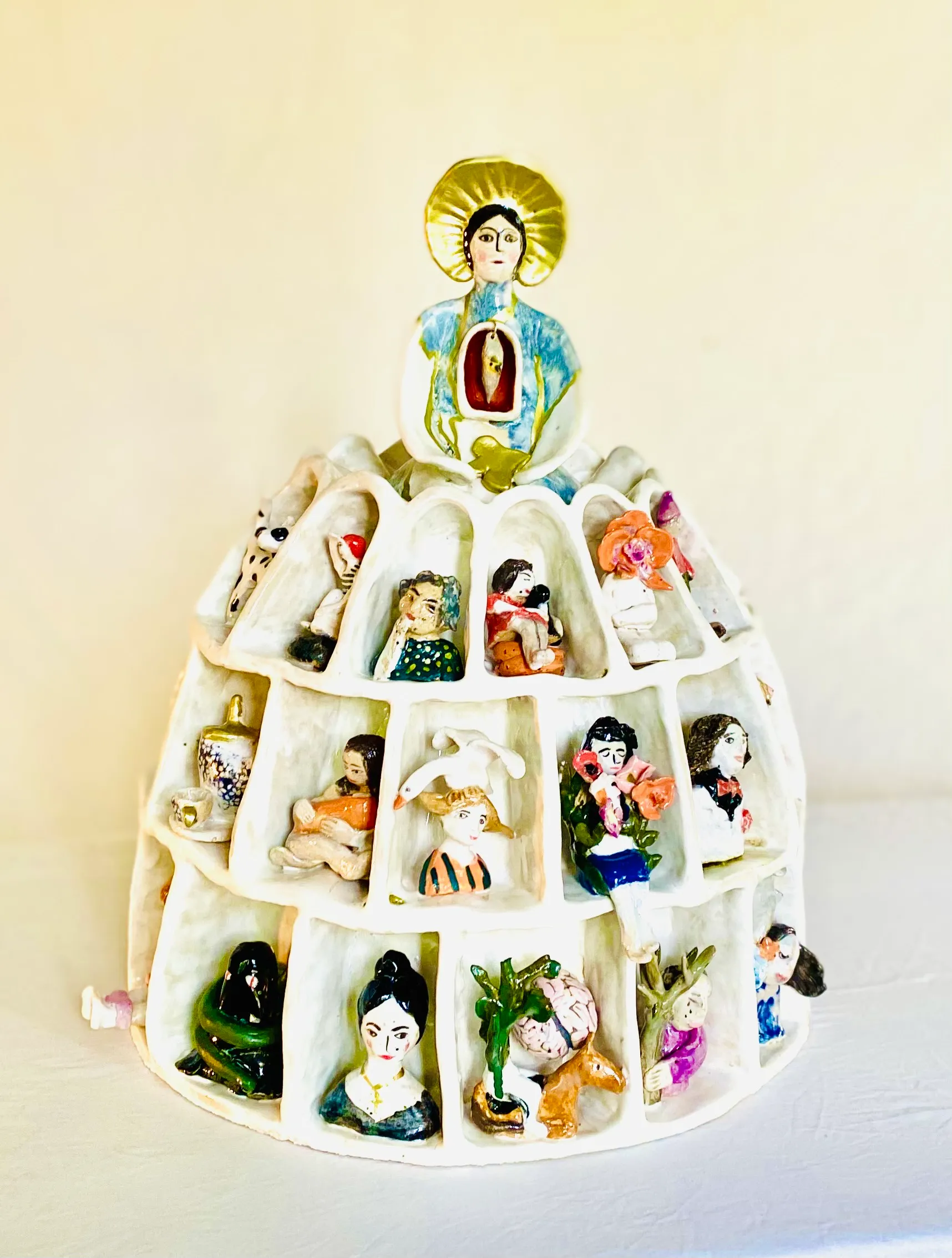
Internal Family Systems (IFS) is a non-pathologising, evidence-based model of therapy that honours the many different ‘parts’ that make up each of us, our internal ‘family’, and holds that at the core of each of us is a healthy, wise and interested Self that can help those parts heal and work together.
Internal Family Systems, usually shortened to IFS, is a gentle and increasingly popular way of understanding ourselves. It begins from a simple, hopeful idea: that your mind is naturally made up of many different ‘parts’, and that none of them is bad. Even the parts you might struggle with, the harsh inner critic, the part that numbs out, the part that panics, are trying in their own way to protect you.
In IFS we get to know these parts with curiosity rather than judgement. Alongside them sits what IFS calls the Self: a calm, compassionate core in each of us that cannot be damaged, only obscured. Much of our work together is about helping you lead more of your life from that steadier place, so that the parts carrying pain no longer have to work so hard. This is where the phrase from Richard Schwartz, who developed IFS, comes from: there are ‘no bad parts’.
Who it can help
- Shame and a loud inner critic: the sense that some part of you is not good enough, or that you are ‘too much’, or ‘not enough’.
- Trauma and its after-effects, including flashbacks, nightmares, hypervigilance and feeling constantly on edge.
- Anxiety, panic and social anxiety, where one part feels afraid while another works hard to keep everything under control.
- Numbness, disconnection or emotional flatness, and a loss of interest in things that once mattered.
- Low mood, hopelessness and irritability that can come and go without an obvious reason.
- The feeling of ‘stuckness’ and overwhelm, or of being at war with yourself, caught between parts that want different things.
- Difficult relationships with food and eating, and other coping patterns or addictions that once helped but now cause pain.
What a session is like
There is nothing you need to prepare or perform. We usually begin by noticing what is present for you today, and gently turning towards a part of you that wants attention, perhaps the anxious part, or the one that feels flat or self-critical. Rather than trying to get rid of it, I will invite you to get curious about it: where you feel it in your body, how old it seems, and what it might worry would happen if it stopped doing its job.
As trust builds, the younger, more vulnerable parts that have carried hurt or fear for a long time, what IFS calls exiles, can begin to feel safe enough to let some of that burden go. This happens at your pace, never by force. Sessions are talking-based, and because I am also an art psychotherapist, we can bring in drawing, image-making or sandtray if that helps a wordless part feel seen. Some people like to keep getting to know their parts between sessions, but there is no homework you have to do.
The evidence
I will always be honest with you about the evidence. IFS is not currently recommended in a NICE guideline. It does, however, have a growing evidence base: in 2015 it was listed on the US SAMHSA National Registry of Evidence-based Programs and Practices (NREPP), and a growing number of pilot studies and small randomised controlled trials suggest it can help with depression, trauma and some physical health conditions, with the most consistent findings so far for depression. Public awareness has also grown widely since Richard Schwartz, who developed IFS, published his book ‘No Bad Parts’ in 2021. Where you need a NICE-recommended trauma therapy, I am also trained in EMDR, and we can talk about what fits you best.
I offer IFS both in person near Ashburton in Devon and online across the UK and internationally, and because parts work is talking-based it translates naturally to video sessions.
Common questions
What is IFS therapy in simple terms?
IFS, or Internal Family Systems, is a way of working with the different ‘parts’ of yourself. It sees the mind as naturally made up of many parts and holds that none of them is bad, even the ones that cause you trouble. Together we get to know these parts with kindness, so that they no longer have to carry so much on their own.
What do ‘parts’, ‘protectors’, ‘exiles’ and ‘Self’ mean?
Parts are the different sub-personalities we all have, the various voices and feelings inside us. Protectors are parts that work hard to keep us safe, either by managing daily life, through planning, criticising or staying busy, or by stepping in when we are overwhelmed, through numbing, distracting, or using food, alcohol or other coping behaviours. Exiles are the young, vulnerable parts that carry old hurt, fear or shame, which the protectors try to keep out of sight. Self is the calm, compassionate core in each of us, the ‘you’ that can lead with curiosity and care once the parts feel safe enough to let it.
Is IFS evidence-based, and is it recommended by NICE?
IFS is not currently listed in a NICE guideline, and I think it is important to say that clearly. It does have a developing evidence base: it was added to the US SAMHSA registry of evidence-based practices in 2015, and pilot studies and small randomised trials point to benefits for depression, trauma and physical health, most consistently for depression. If you need a NICE-recommended trauma therapy, I am also trained in EMDR, and we can discuss which approach suits you.
Can I have IFS therapy online?
Yes. IFS is talking-based, so it works well over video, and I see people for IFS therapy online across the UK and internationally as well as in person near Ashburton in Devon. Many people find that being in their own familiar space can make it a little easier to turn towards tender parts.
What can IFS help with?
Many people come to IFS for shame and harsh self-criticism, the after-effects of trauma, anxiety and panic, difficult relationships with food and eating, and the feeling of being stuck, overwhelmed or at war with themselves. It offers a compassionate way to understand these experiences rather than fighting them. I do not work with under-16s, and if you are in crisis please see my crisis information page.
The first step
A free 20-minute conversation
It’s very hard to tell from reading a website! I offer a free introductory 20-minute conversation so we can meet, and you can see how it feels to talk with me.