
How I integrate
How I integrate art psychotherapy, IFS and EMDR
Integrating art psychotherapy, Internal Family Systems (IFS) and EMDR means I combine image-making, parts work and trauma reprocessing into one trauma-focused approach: I use art-based parts work to make the different parts of you visible, IFS to build safety and gain your protectors’ consent before and after reprocessing, and art-informed, bilateral-drawing EMDR to help you work with traumatic memories, always collaboratively and at your pace.
Most people do not arrive asking for one particular therapy. They arrive with something they want to feel differently about. So rather than fit you to a single method, I draw on the approaches I am trained in and, with your agreement, combine them around what you actually need. This blend of art psychotherapy, Internal Family Systems (IFS) and EMDR is the distinctive heart of how I work.
Sometimes one approach is enough on its own, and we can stay with it for as long as it is useful. More often the three support one another: IFS helps us understand and build trust with the different parts of you, art-making gives those parts a way to be seen, and EMDR helps you reprocess the memories underneath. Any combination is collaborative, consented and led by your pace.
Who it can help
- Trauma that shows up as nightmares, flashbacks or hypervigilance, where you want to reprocess memories but also need to feel safe enough to begin
- Nervous-system dysregulation and panic attacks, where the body can feel stuck in alarm long after the danger has passed
- Deep-rooted shame, self-loathing or mistrust that a single technique on its own has not been able to shift
- Numbness, decreased interest and hopelessness that make experiences hard to put into words, where image-making can offer another language
- Complex or relational trauma, where protective parts such as control, perfectionism, addictions or self-harm have grown up around older wounds
- Anxiety, social anxiety and insomnia that sit alongside painful memories you would rather not approach head-on
- Living with chronic pain or a chronic health condition, where mind and body benefit from being worked with together
What a session is like
We always begin with a free 20-minute introductory conversation, and then move at your pace. Early sessions are mostly about getting to know your inner world: the parts of you that carry difficult feelings, and the protective parts that have worked hard to keep you safe. IFS gives us a respectful way in, and we often make this visible through image-making, art-based parts work, so a part can be drawn, shaped in clay or placed on paper rather than only described. Nothing is forced, and there is no need to be good at art.
When we move towards trauma processing, I use IFS first to gain your protectors’ consent and to help you feel resourced and steady. This art-informed EMDR then uses bilateral stimulation, whether eye movements, tapping or bilateral drawing, to change how a memory is stored and how you feel in relation to it. For this deeper work I usually offer a 90-minute session, so there is time to open, process and settle. Afterwards we return to IFS to help any activated parts settle again. You stay in charge of the pace throughout, and you can pause the reprocessing at any point.
The evidence
EMDR is recommended by NICE (guideline NG116, 2018) as a trauma-focused therapy for adults with PTSD. IFS is not currently recommended in NICE guidance, but it was listed on the US SAMHSA National Registry of Evidence-based Programs and Practices (NREPP) in 2015 and has a growing research base. Art therapy is a profession regulated by the HCPC, with ‘art psychotherapist’ a protected title in the UK. I am honest about what the evidence does and does not show, and tailor any combination of these approaches to you.
I offer this integrated work in person near Ashburton in Devon and online across the UK and internationally; EMDR and IFS adapt well to video, while the art-based elements are richest in the room in person and can be adapted with simple materials you have at home when we work online.
Common questions
Do I have to choose between art therapy, IFS and EMDR?
No. We can work in a single approach if that suits you, and you are welcome to tell me your preference. Often, though, I combine them: using IFS and art-making to build safety and understanding, and EMDR to reprocess traumatic memories. Any combination is agreed with you first and led by your pace.
What is art-based parts work?
It is a way of doing IFS through image-making. Instead of only talking about a part of you, we might draw it, paint it or shape it in clay, which can make a part easier to notice, understand and be with. You do not need any art experience, and art-making is always optional.
What is bilateral drawing, and how does it help in trauma work?
Bilateral drawing uses both hands, or rhythmic two-sided movement, as a form of bilateral stimulation. Alongside eye movements or tapping, it can support EMDR reprocessing of traumatic memories and help you stay grounded while approaching difficult material. Many people find the drawing itself settling.
Why do you use IFS before and after EMDR?
Reprocessing can bring up strong feelings, so I use IFS first to gain the consent of your protective parts and to help you feel steady and resourced. Afterwards, I use IFS again to help any parts that became activated to settle. This is what I mean by integrating IFS and EMDR: the two approaches support one another.
Is this integrated approach evidence-based?
EMDR is recommended by NICE for PTSD, and art therapy is an HCPC-regulated profession with a protected title. IFS is not currently in NICE guidance, although it has a growing research base and was listed on the US NREPP register in 2015. I am open about what the evidence shows, and we shape the work around you.
The first step
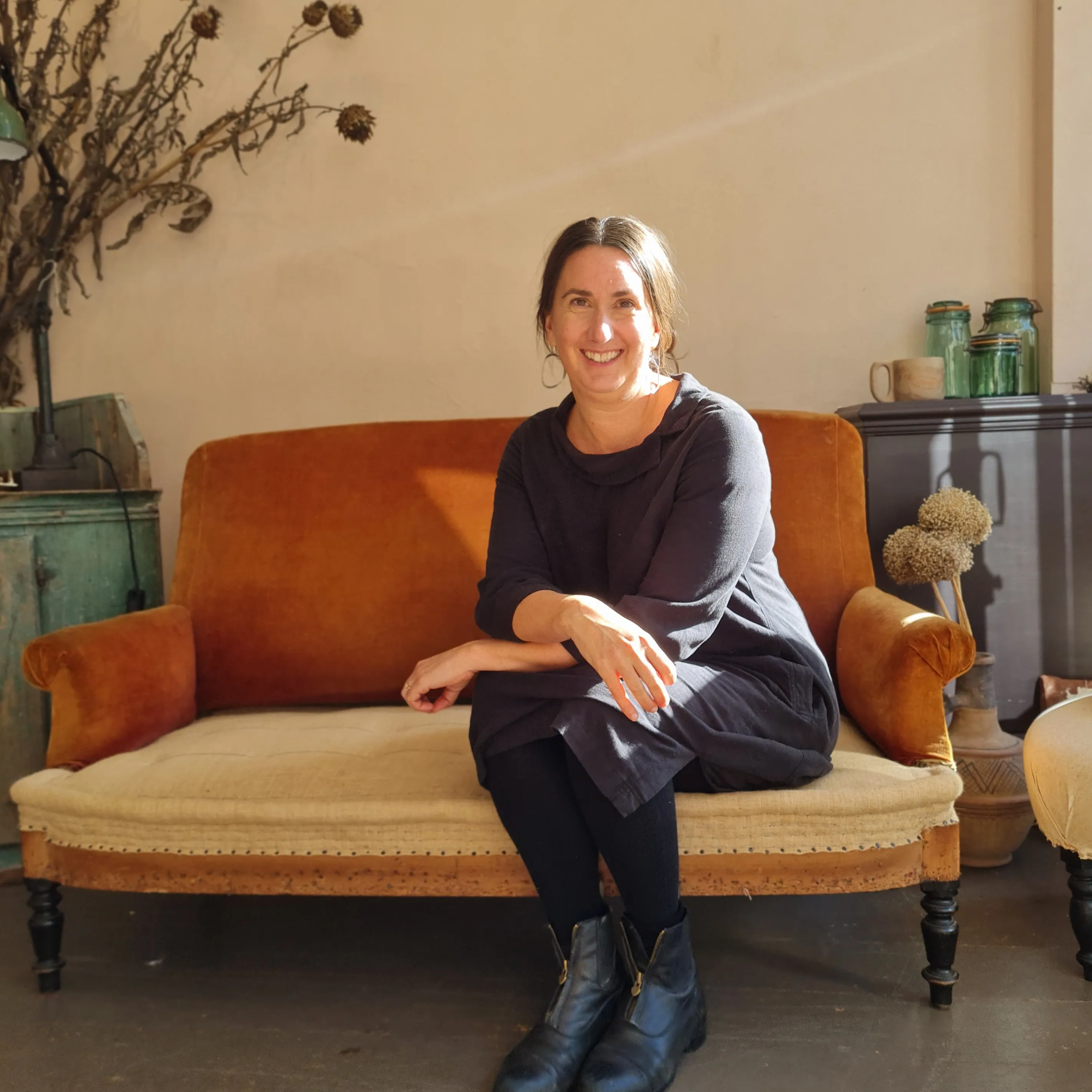
A free 20-minute conversation
It’s very hard to tell from reading a website! I offer a free introductory 20-minute conversation so we can meet, and you can see how it feels to talk with me.