
What brings you
Anxiety, panic and feeling on alert
Anxiety is often a sign of a protective system doing its best to keep you safe, and with gentle, unhurried support that system can slowly learn it is allowed to rest.
How anxiety can feel
Anxiety shows up in many ways, and no two people experience it in quite the same way. For some it is a constant hum of worry that is hard to switch off. For others it arrives in sudden waves of panic, with a racing heart, a tight chest or a sense that something is very wrong. It can make ordinary things, a phone call, a social gathering, leaving the house, feel much harder than they seem they should be.
Sometimes anxiety settles in the body more than in the mind: a jaw that will not quite unclench, shallow breathing, broken sleep, a stomach that is always a little unsettled. You may find yourself scanning for what might go wrong, or feeling on alert even when, on paper, you are perfectly safe. This can be very tiring, and it is understandable if it leaves you feeling worn down or a little ashamed. You are not making it up, and you are not alone in it.
- Worry that is hard to quieten, or a mind that races ahead to the worst outcome
- Sudden panic, with a pounding heart, breathlessness or dizziness
- Social anxiety, dreading being watched, judged or found wanting
- A body that stays tense, restless or on guard
- Trouble sleeping, or waking with a sense of dread
- Quietly avoiding places or situations to keep the feelings at bay
A protective part of you, doing its best
I do not tend to think of anxiety as a disorder to be fixed, or as something that is wrong with you. More often it makes sense as a protective part of you working very hard to keep you safe, drawing on what it has learned from your history. A nervous system that stays on alert is usually one that, at some point, had good reason to be.
I view difficulties like these not as disorders, but as signs of how we have historically coped, or are coping, in the circumstances life has given us. Seen this way, the aim of our work together is not to get rid of a part of you, but to help that watchful, hard-working part feel safe enough to soften, so that it no longer has to carry quite so much on its own.
How I might work with you
We would usually begin with a free 20-minute introductory conversation, with no obligation to continue. It is a chance to tell me a little about what is bringing you, to ask me anything you would like, and to notice how it feels to talk together. Where we go from there is always your choice, and we would move at a pace that feels manageable for you.
There is no single right way through anxiety, and I try to hold that gently. Some of our work may be about helping your body feel a little steadier in the present, through grounding and simple ways to settle the nervous system. Some may be about coming to know the anxious and protective ‘parts’ of you with more warmth and less struggle. And where anxiety has grown from frightening or overwhelming things that happened in the past, we might, with your agreement, work gently with those memories so they feel less alive in the here and now. You are welcome to take time to consider any of this.
What tends to help, honestly
Different approaches suit different people, and part of our early conversations is finding what feels right for you. I draw on a few ways of working, and I hold them lightly rather than promising that any one of them will be the answer.
I would like to be honest about the evidence too. For anxiety and panic, the therapies most often recommended in the UK by the National Institute for Health and Care Excellence (NICE, guideline CG113) are talking therapies such as cognitive behavioural therapy, alongside guided self-help and, for some people, medication from their GP. EMDR is recommended by NICE specifically for post-traumatic stress (guideline NG116, 2018), so it tends to be most relevant when anxiety has grown from past traumatic events. Internal Family Systems is not currently part of NICE guidance, though it has a growing evidence base and has helped many people meet their inner world more kindly. I am glad to talk any of this through with you, and to help you think about what might suit you, including approaches I do not myself offer.
If things feel urgent right now
I offer planned, ongoing therapy rather than a crisis or emergency service, so I may not be able to respond quickly if you are in immediate distress. If you are finding it hard to keep yourself safe, or everything feels like too much just now, please do reach out for urgent help. You can contact your GP, call NHS 111, or call the Samaritans free at any time on 116 123. In an emergency, please call 999. You are worth reaching out for.
How I might work with you
- Internal Family Systems (IFS): coming to know the anxious and protective ‘parts’ of you with warmth
- EMDR: where anxiety is rooted in past frightening events, gently working with those memories
- Attachment-informed EMDR: for anxiety tangled up with early relationships and a sense of safety
- Art psychotherapy: expressing what is hard to put into words, and finding ways to settle and ground
- How I integrate these: weaving these ways of working together at your pace, around what suits you
Common questions
Can anxiety be cured?
I would gently steer away from the word cure, because some anxiety is part of being human and is there to protect us. What often changes with support is your relationship to it. Many people find that anxiety loosens its grip, that panic comes less often or feels less frightening, and that they feel more able to live the life they want alongside it. I cannot promise a particular outcome, but I can promise to work with you, at your pace.
Do I need to know why I feel anxious before we start?
Not at all. Many people come without a clear sense of where their anxiety comes from, and that is completely fine. Sometimes the reasons become clearer as we work together, and sometimes we simply work with how anxiety feels now rather than needing to explain it. You do not have to arrive with the right words or a tidy story.
What if I feel too anxious to even start therapy?
That is very understandable, and you would not be the first to feel that way. We can go as slowly and gently as you need, and we can meet online if coming in person feels like too much for now. The free introductory conversation is there partly for this reason, so you can get a feel for things with no pressure to commit. It is always your choice how far and how fast we go.
Can we meet online, or does it need to be in person?
Either is welcome. I see people in person near Ashburton in Devon, and online across the UK and further afield. Some people find grounding and settling work a little easier in the same room, while others feel safer beginning from their own home. We can talk about what might suit you, and you are free to change your mind as we go.
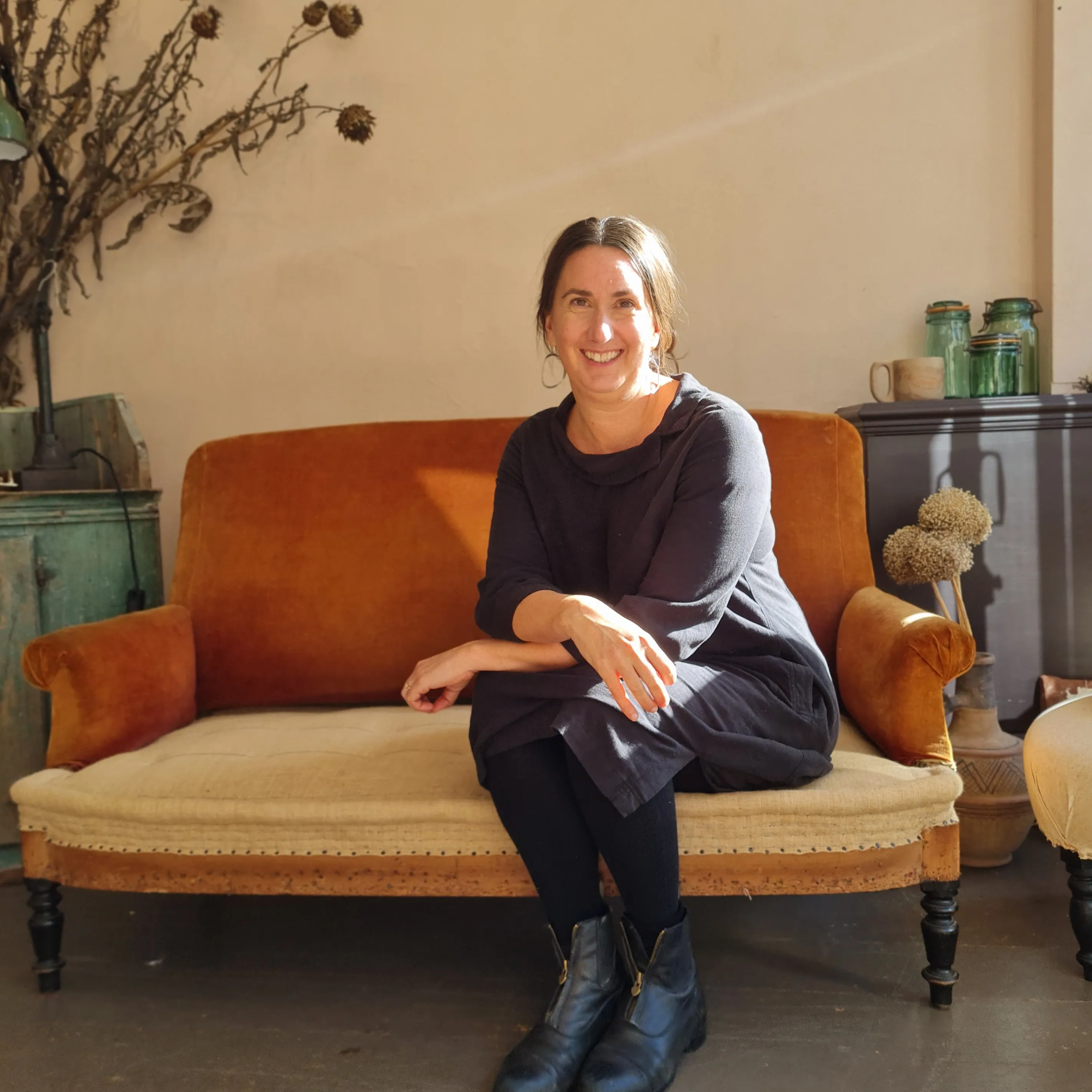
The first step
A free 20-minute conversation
It’s very hard to tell from reading a website! I offer a free introductory 20-minute conversation so we can meet, and you can see how it feels to talk with me.