
What brings you
Trauma and PTSD
After a frightening or overwhelming event, it is deeply human for the mind and body to stay braced for danger, in flashbacks, nightmares, or a feeling of being always on guard, and there are gentle, well-evidenced ways we can help those memories begin to settle, at a pace that is always yours.
How trauma can feel
Trauma is not really about the event itself. It is about what an experience can leave behind, in your nervous system, in your sleep, and in your sense of safety. When something has been frightening, shocking or overwhelming, a part of you may stay braced, as though the danger could return at any moment.
You might recognise some of what follows. You do not need to have all of it, or a particular number of things, for your experience to be real and worth bringing.
- Flashbacks or intrusive memories, where the past can feel as though it is happening now
- Broken sleep, nightmares, or a quiet dread of the night
- Feeling constantly on guard, easily startled, or unable to settle, sometimes called ‘hypervigilance’
- Numbness, or a sense of being strangely far away from yourself and the people you love
- Avoiding places, people or reminders that bring the memory too close
- Waves of fear, anger, shame or tears that seem to arrive without warning
Why it makes sense
None of this means something is wrong with you. When we meet something too big or too fast to take in, the mind and body do something wise: they brace, they stay alert, they hold the memory at a distance, or they go a little numb so that we can carry on. These are protective responses, not faults.
I view these experiences not as disorders, but as signs of how we have coped, or are coping, in the circumstances life has given us. You do not need a diagnosis, or the letters ‘PTSD’, to come and talk. If those words are helpful to you, we can hold them gently; if they are not, we can set them aside. What matters is what you are living with, and what you would like to feel a little freer from.
How I might work with you
We would begin slowly, with no pressure to go straight to the hardest memories. Before any trauma processing, we spend time helping you feel a little steadier and more resourced, so that whatever we do approach, we approach it from a place of enough safety. It is always your choice what we turn towards, and when.
My main way of working with trauma is EMDR (Eye Movement Desensitisation and Reprocessing), a therapy designed to help the brain reprocess frightening memories so that they may feel less vivid and less present. You do not need to describe the event in detail for it to help. Where the hurt is early or layered, I often draw on attachment-informed EMDR, which brings a gentler, more relational pace.
Alongside this, we might turn to Internal Family Systems (IFS), a kind and curious way of meeting the different ‘parts’ of you, including the ones still working hard to keep you safe. And because some experiences sit beneath words, art psychotherapy can offer another way to express and make sense of them, using image and material rather than speech. You never need to be ‘good at art’ for this to be of use.
We can meet in person near Ashburton in Devon, or online across the UK and internationally. If you would like, we can start with a free 20-minute introductory conversation, with no obligation, simply to see how it feels to talk together.
What can help, and what we know
I want to be honest with you about the evidence, rather than overclaim. EMDR is well researched for single-incident trauma and PTSD in adults. The National Institute for Health and Care Excellence (NICE) recommends it as one of the trauma-focused therapies for PTSD in adults (guideline NG116, 2018).
Internal Family Systems is not currently listed in that NICE guideline, and I will always be clear about that. It does have a growing evidence base, and was recognised as an evidence-based practice by the United States’ SAMHSA in 2015; many people also find it a gentle and respectful way to work. Art psychotherapy is delivered by therapists whose title is protected and regulated in the UK by the Health and Care Professions Council (HCPC).
No responsible therapist can promise to remove a memory or guarantee a cure. What I can offer is careful, well-founded ways to help you work with what happened, so that it may hold a little less power over your days and nights, and so that more of your life becomes available to you again.
If things feel urgent
This is not a crisis or emergency service, and there may be times when you need more immediate support. If you are in danger, or worried that you might act on thoughts of harming yourself, please reach out for urgent help straight away. You are welcome to look at the options on my crisis page, and in an emergency you can call 999 or go to your nearest A&E.
I also want to be clear that I do not currently work with children or young people under sixteen. If you are seeking support for someone younger, I would gently encourage you to look for a therapist who specialises in that age group.
How I might work with you
- EMDR: The NICE-recommended trauma-focused therapy for PTSD, to help frightening memories feel less raw
- Attachment-informed EMDR: A gentler, more relational pace when the hurt is early, layered or long-standing
- Internal Family Systems (IFS): To meet the protective ‘parts’ still carrying the fear with curiosity and kindness, not force
- Art psychotherapy: A way to give shape to what is hard to put into words, whenever speech feels like too much
- How I integrate these: Weaving these approaches gently around you, rather than fitting you to a single method
Common questions
Will I have to describe everything that happened?
No. It is always your choice how much you say, and when. With EMDR in particular, you do not need to give a detailed, out-loud account of the event for the work to help. We go at your pace, and you are welcome to pause at any point.
Is EMDR actually evidence-based?
Yes. The National Institute for Health and Care Excellence (NICE) recommends EMDR as a trauma-focused therapy for PTSD in adults (guideline NG116, 2018). I cannot promise a particular outcome, as no honest therapist can, but many people find it helps frightening memories lose some of their charge.
It happened a long time ago. Is it too late?
Not at all. Sometimes a difficult experience seems to settle for years and then resurfaces, perhaps after a change, a loss, or another shock. Whether the event was recent or long past, we can still work gently with how it lives in you now.
How do we begin?
We begin with a free, 20-minute introductory conversation, by phone or online. There is no obligation to book anything further. It is simply a chance to say a little about what brings you, to ask me anything, and to notice how it feels to talk with me.
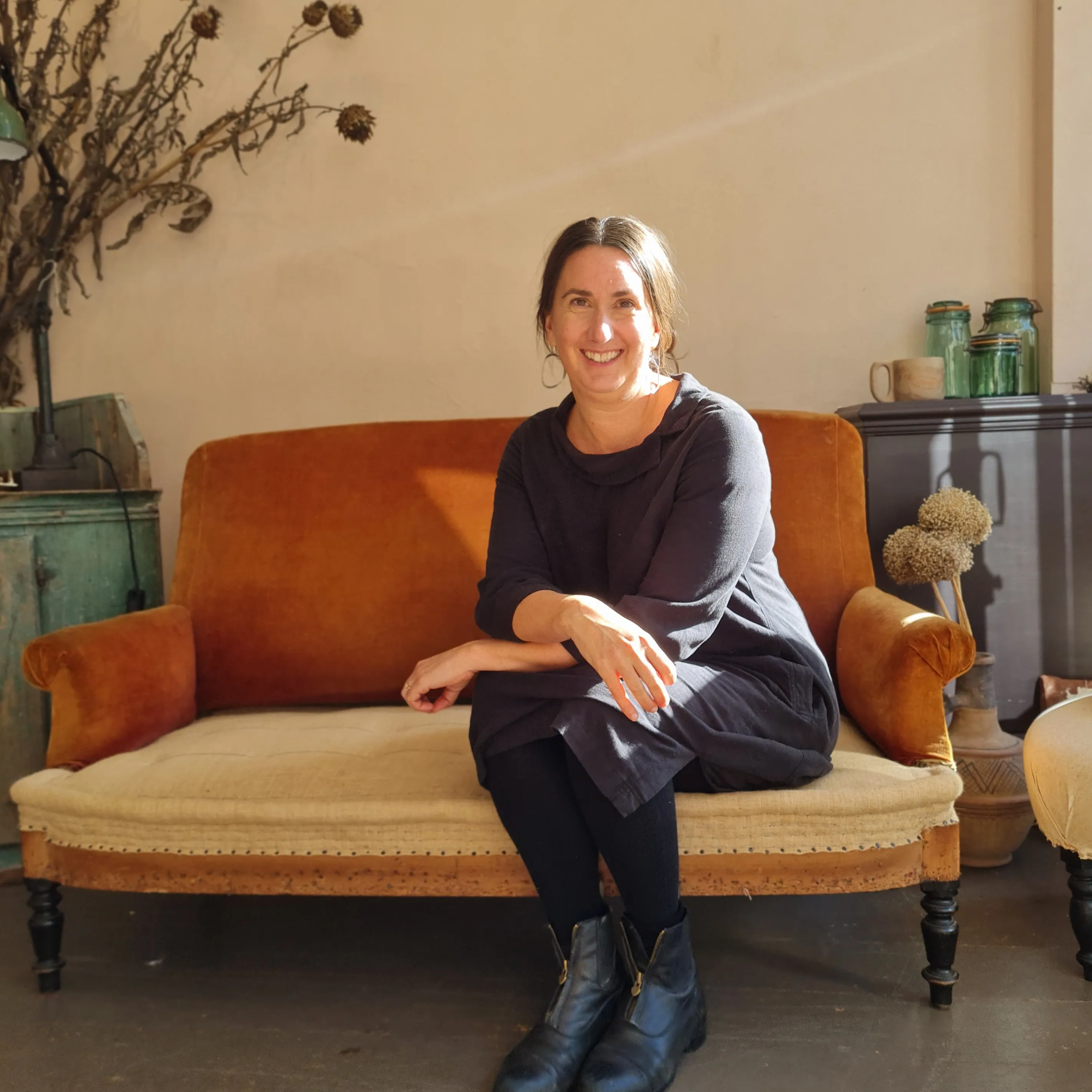
The first step
A free 20-minute conversation
It’s very hard to tell from reading a website! I offer a free introductory 20-minute conversation so we can meet, and you can see how it feels to talk with me.